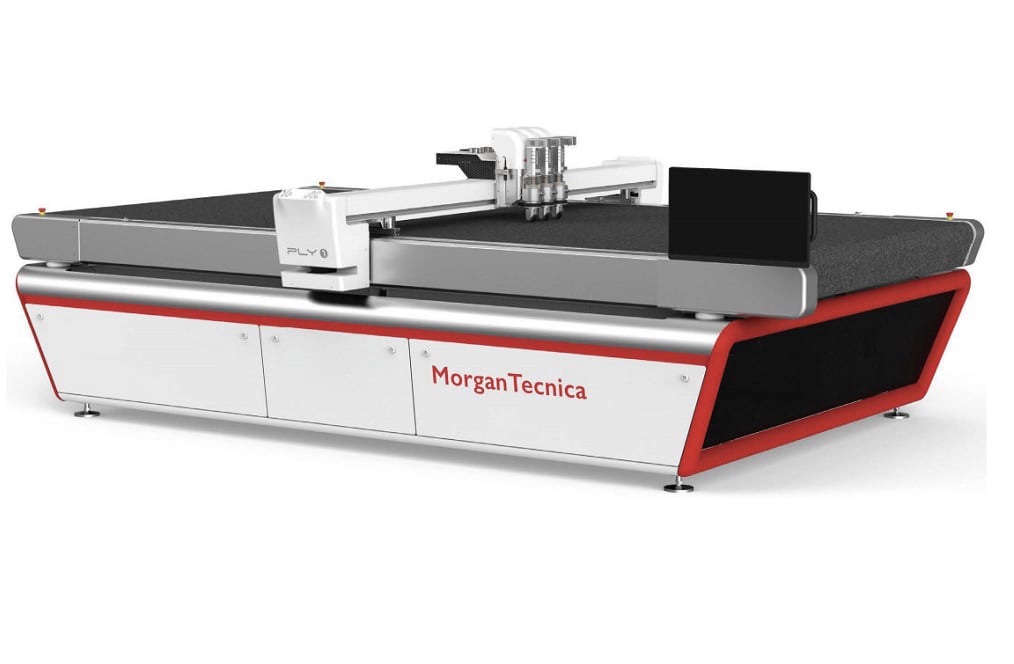
Mattress Cutting Machines: Precision Cutting Equipment for Modern Mattress Manufacturing
Mattress manufacturing involves a combination of specialist materials, precise measurements and carefully coordinated production processes. From the preparation of foam comfort layers to cutting quilted panels and upholstery fabrics, accurate material cutting plays an important role in determining the quality and consistency of the finished mattress. Manufacturers must produce components in different sizes and thicknesses while minimising waste and maintaining efficient production schedules. As mattress designs become increasingly varied, modern cutting technology provides opportunities to improve accuracy, reduce manual handling and support more flexible manufacturing operations.
For businesses researching Mattress Cutting Machines, understanding the different cutting technologies and their applications is essential before investing in new equipment. Mattress production may involve processing polyurethane foam, memory foam, latex, quilted textiles, border fabrics and other specialist materials. Each material has different characteristics, meaning a cutting machine suitable for one application may be inappropriate for another. Selecting equipment that matches the intended materials, required dimensions and expected production volumes can improve manufacturing efficiency while reducing unnecessary expenditure.
Material cutting is one of the earliest stages of mattress production, but its influence extends throughout the manufacturing process. Incorrectly sized components can create alignment problems during assembly, affect the appearance of upholstered panels and increase the amount of reworking required. A foam layer cut slightly outside the specified dimensions may not align correctly with the underlying support structure, while inaccurate fabric cutting can produce difficulties during quilting, sewing and tape edging. Maintaining accurate measurements therefore helps improve consistency across several manufacturing stages rather than benefiting the cutting operation alone.
Mattress cutting equipment is available in a wide range of configurations, from manually operated machines to computer-controlled systems designed for continuous industrial production. Smaller manufacturers may prefer versatile machinery capable of handling different materials and frequently changing dimensions, while larger factories often invest in automated cutting lines that process substantial quantities of standardised components. The most appropriate solution depends on the relationship between production volume, material variety, available floor space and the level of precision required.
One of the most common applications for Mattress Cutting Machines is processing foam into suitable dimensions for mattress cores and comfort layers. Foam is widely used in modern mattress construction, either as the primary support material or as part of a layered design incorporating springs and other cushioning components. Manufacturers may work with conventional polyurethane foam, viscoelastic memory foam and specialised formulations developed for particular comfort characteristics. These materials can vary considerably in density, flexibility and cutting behaviour, making equipment selection particularly important.
Horizontal foam cutting machines are commonly used to divide large foam blocks into sheets of controlled thickness. These machines typically use a cutting blade or band knife that moves through the foam while the material is supported and positioned accurately. The ability to produce consistent thicknesses is essential when preparing layers that must fit together during mattress assembly. Automated thickness adjustment can help manufacturers switch between different specifications while reducing variations associated with manual measurement.
Vertical foam cutting machines provide another important option, allowing operators to trim foam blocks and sheets to required lengths and widths. Depending on the design, the foam may be moved against a cutting blade or positioned on a table that travels through the cutting area. Vertical cutters are useful for producing rectangular components and removing excess material before further processing. Some machines incorporate measuring systems and programmable stops that improve repeatability during production.
For manufacturers producing more complicated foam components, contour cutting equipment offers additional capabilities. Computer-controlled contour cutters can follow programmed shapes, creating profiles that would be difficult to reproduce accurately using conventional straight-cutting machinery. These systems may be used to manufacture contoured comfort layers, specialised support sections and other foam components requiring more complex geometry. Their usefulness depends on the mattress designs being produced and whether the additional flexibility justifies the investment.
Foam profiling machines are also used to create textured or shaped surfaces that may form part of particular mattress constructions. These machines can produce patterns, channels or other surface features according to the intended product design. Such modifications may be used to influence the physical characteristics of a foam layer, although their performance depends on the complete mattress construction rather than the presence of a particular pattern alone. Manufacturers should validate the suitability of profiled components through appropriate product testing.
The cutting characteristics of foam can influence production quality. Softer materials may compress or distort during cutting, while denser formulations can place different demands on blades and feeding mechanisms. Memory foam may also behave differently according to temperature and material formulation, making controlled operating conditions important for some applications. Selecting equipment with suitable material support and blade characteristics can help maintain accurate dimensions and reduce damage to the foam during processing.
For businesses comparing Mattress Cutting Machines, the relationship between cutting accuracy and material waste deserves careful consideration. Foam is a significant component cost in many mattress constructions, and inefficient cutting arrangements can generate substantial quantities of offcuts. Automated cutting systems may help improve material utilisation by calculating suitable cutting layouts and reducing unnecessary trimming. However, the benefits depend on the dimensions of the original foam blocks and the variety of components required. A machine with advanced programming does not automatically produce minimal waste unless cutting plans are developed appropriately.
Fabric cutting represents another essential stage of mattress manufacturing. Mattress covers and upholstery components are commonly produced from woven, knitted or quilted materials that must be prepared to accurate dimensions. These fabrics may include stretch characteristics, decorative patterns or multiple bonded layers, all of which can influence cutting performance. Equipment must be capable of handling the material without excessive movement, stretching or damage.
Industrial fabric cutting machines range from relatively straightforward straight-knife and rotary cutting equipment to automated systems using computer-controlled cutting heads. The appropriate method depends on material thickness, cutting complexity and production volume. Straight cutting may be sufficient for preparing simple rectangular mattress panels, while more advanced systems can provide advantages when processing complex shapes or managing several product sizes within the same production schedule.
Automated fabric cutting systems commonly use digital cutting patterns to control the movement of the cutting tool. This allows manufacturers to reproduce component dimensions consistently and reduce the need for repeated manual marking. Some machines incorporate material-holding systems that help maintain fabric position during cutting, which can be particularly useful for lightweight or flexible textiles. However, the suitability of vacuum holding and other positioning methods depends on the fabric's permeability, thickness and construction.
Quilted mattress panels present additional challenges because several layers have already been stitched together. The cutting equipment must process the complete assembly while preserving the alignment of the outer fabric, cushioning material and backing layer. Depending on the production arrangement, quilted material may be cut into individual panels immediately after quilting or transferred to a separate cutting workstation. Integrating these operations can reduce handling and improve workflow efficiency where production volumes justify the investment.
Some modern Mattress Cutting Machines can be connected directly to quilting equipment, allowing material to move from decorative stitching into automated panel cutting. This arrangement can help reduce manual measurement and maintain consistent dimensions across large production runs. However, the cutting system must operate at a capacity compatible with the quilting machine. If one stage processes material significantly faster than the other, unfinished work may accumulate and disrupt the production sequence.
Border fabric cutting is another important application. Mattress borders form the vertical side sections of the finished product and may incorporate quilting, handles, ventilation details and decorative stitching. These components must be cut to suitable dimensions so they align correctly with the upper and lower mattress panels during final assembly. Accurate border preparation can help reduce problems during tape edging and improve the overall appearance of the completed mattress.
Cutting equipment may also be used to prepare internal insulation layers, fibre materials and other components positioned between the mattress support structure and upholstery. These materials can differ considerably in thickness and flexibility, requiring suitable cutting methods. Manufacturers should therefore assess the full range of materials processed within the factory rather than selecting machinery based solely on the most common fabric or foam type.
Computer numerical control, commonly known as CNC, has become increasingly important in industrial cutting technology. CNC systems use programmed instructions to control tool movement, allowing machines to reproduce specified shapes and dimensions with a high degree of consistency. In mattress manufacturing, this can be particularly useful when producing multiple sizes or complex foam profiles. Digital programming can also reduce setup time when switching between established product designs, although the benefits depend on the capabilities of the individual machine.
The use of computer-aided design software can support the preparation of cutting patterns and material layouts. Manufacturers may use digital files to define component dimensions, calculate cutting sequences and manage production specifications. This can help maintain consistency between design and manufacturing departments, particularly where a factory produces several mattress ranges. However, digital accuracy must be supported by suitable machine calibration and material handling to achieve reliable physical results.
For manufacturers investing in Mattress Cutting Machines, production speed should be considered alongside cutting quality and material utilisation. A machine capable of rapid cutting may offer advantages in high-volume production, but these benefits can be reduced if frequent setup changes or material handling delays interrupt operation. Similarly, a slower machine may provide greater overall value when producing bespoke mattresses requiring frequent dimensional adjustments. The appropriate balance depends on the number of components required, their complexity and the wider production workflow.
Machine capacity is another important purchasing consideration. Cutting equipment must accommodate the maximum dimensions and thicknesses of the materials being processed. A machine with insufficient working width may be unsuitable for larger mattress panels, while inadequate cutting height can restrict its usefulness for thick foam blocks. Manufacturers should check these specifications carefully and allow for potential changes in their future product ranges.
The physical layout of the manufacturing facility also influences equipment selection. Large foam cutting systems may require substantial floor space for loading, cutting and removing finished components. Automated fabric cutters can need additional room for material rolls, conveyors and operator access. The published dimensions of a machine may therefore represent only part of the space required for safe operation. Businesses should assess material movement and maintenance clearances before committing to installation.
Handling large foam blocks and rolls of fabric can create physical demands for production employees. Mechanical lifting equipment, powered tables and suitable material supports can reduce unnecessary manual effort while improving positioning accuracy. These features may be especially valuable in factories processing large quantities of materials throughout the working day. However, handling equipment must be compatible with the weight and dimensions of the materials involved.
Cutting blade selection and maintenance are central to reliable operation. Industrial cutting machines may use different blade designs according to the material and cutting method. Blade condition can influence accuracy, surface finish and the amount of force required during cutting. A worn or damaged blade may cause tearing, uneven edges or dimensional inconsistencies, particularly when processing flexible materials. Routine inspection and replacement help maintain consistent results while reducing unnecessary strain on the machine.
Blade alignment and machine calibration are equally important. Even a relatively small adjustment error can produce components that fall outside the required dimensions, creating difficulties during later assembly. Manufacturers should establish procedures for checking cutting accuracy and identifying changes in performance. Regular calibration can be particularly valuable where machines operate continuously or produce components requiring close dimensional tolerances.
For workshops operating Mattress Cutting Machines, preventive maintenance can help avoid unexpected production interruptions. Moving tables, cutting heads, drive systems and electronic controls require periodic inspection according to manufacturer recommendations. Foam particles, fabric fibres and other debris can accumulate around cutting equipment, potentially affecting performance if cleaning is neglected. Maintaining a suitable cleaning schedule can help reduce mechanical wear and preserve reliable operation.
Dust management is particularly important during foam processing. Certain cutting operations can generate particles or offcuts that need to be controlled to maintain a clean and safe working environment. Appropriate extraction and housekeeping arrangements may be necessary depending on the materials and processes involved. Manufacturers should assess the hazards associated with their specific operations rather than assuming that all foam cutting methods create identical conditions.
Workplace safety must remain a priority because industrial cutting equipment incorporates sharp blades, moving mechanisms and potentially powerful drive systems. Machines should be fitted with suitable guarding, emergency stop arrangements and other protective measures appropriate to their design. Operators require training covering normal operation, material handling, cleaning and safe adjustment procedures. Maintenance work must be carried out using suitable isolation arrangements to prevent unexpected movement or contact with cutting components.
Businesses should also consider the potential hazards associated with automated machinery. Computer-controlled cutting systems may move unexpectedly if operators are unfamiliar with the operating sequence or protective arrangements are bypassed. Clearly defined working areas, appropriate interlocks and effective training can help reduce these risks. A comprehensive risk assessment should reflect the particular machine, production environment and tasks being performed.
Quality control should form part of the cutting process rather than being limited to final mattress inspection. Foam layers, fabric panels and borders should be checked against the required specifications before they move to assembly. Identifying incorrect dimensions early can reduce material waste and prevent defects from affecting completed mattresses. Digital measurement systems and suitable inspection procedures may help maintain consistency, particularly in larger factories producing substantial quantities of standardised components.
The availability of spare parts and technical support is another important factor when comparing equipment suppliers. Cutting blades, belts, bearings, sensors and control components may require replacement during the machine's working life. A supplier that provides reliable parts availability and knowledgeable technical assistance can help reduce downtime when faults occur. Businesses should establish whether support is available within the UK and whether replacement components can be obtained without lengthy delays.
New and refurbished cutting machinery offer different advantages. New equipment may provide modern automation, manufacturer warranties and current control technology, while refurbished machines can offer a lower initial investment for businesses with limited capital budgets. However, the condition of used machinery should be assessed carefully, particularly where cutting accuracy and safety depend on components that may have experienced substantial wear. Older machines may also require refurbishment or additional protective measures before they can operate reliably.
For manufacturers comparing Mattress Cutting Machines, the financial assessment should extend beyond the initial purchase price. Installation, training, maintenance, electricity consumption and replacement blades all contribute to operating costs. Material utilisation can be particularly important because even modest reductions in foam or fabric waste may produce worthwhile savings across substantial production volumes. The most suitable machine is therefore not necessarily the fastest or least expensive option, but the one that provides dependable output at an appropriate total cost.
The level of automation should reflect the scale and complexity of the business. A small manufacturer producing bespoke mattresses may benefit from versatile equipment that allows frequent changes in dimensions without complicated setup procedures. A larger factory supplying standardised mattress ranges may find that automated cutting lines offer greater productivity and repeatability. Both approaches can be effective when machinery is selected according to actual production requirements.
As mattress manufacturing continues to develop, cutting systems are increasingly being integrated with wider production management processes. Digital cutting files, automated material handling and production monitoring can help coordinate the preparation of components for subsequent manufacturing stages. However, these technologies are most useful when they address identifiable operational challenges. Investing in sophisticated equipment without considering the surrounding workflow can create unnecessary complexity without delivering proportional benefits.
The quality of cutting operations also influences customer satisfaction. Accurately prepared foam layers and upholstery panels contribute to consistent mattress dimensions, neat finishing and reliable product assembly. Although consumers rarely see the cutting machinery used during production, inaccuracies at this stage can affect the appearance and performance of the final mattress. Maintaining suitable cutting standards therefore supports both manufacturing efficiency and the quality associated with the finished product.
Choosing Mattress Cutting Machines ultimately requires a detailed understanding of the materials being processed, the dimensions required and the production capacity of the factory. Foam cutters, fabric cutting systems, panel cutters and computer-controlled machinery each provide advantages for particular applications, but their value depends on appropriate selection and integration. Manufacturers that prioritise cutting accuracy, reliable maintenance, safe operation and efficient material utilisation are better positioned to reduce waste and maintain consistent production standards. By assessing equipment capabilities alongside the wider manufacturing workflow, businesses can invest in cutting technology that supports dependable mattress production and long-term operational development.