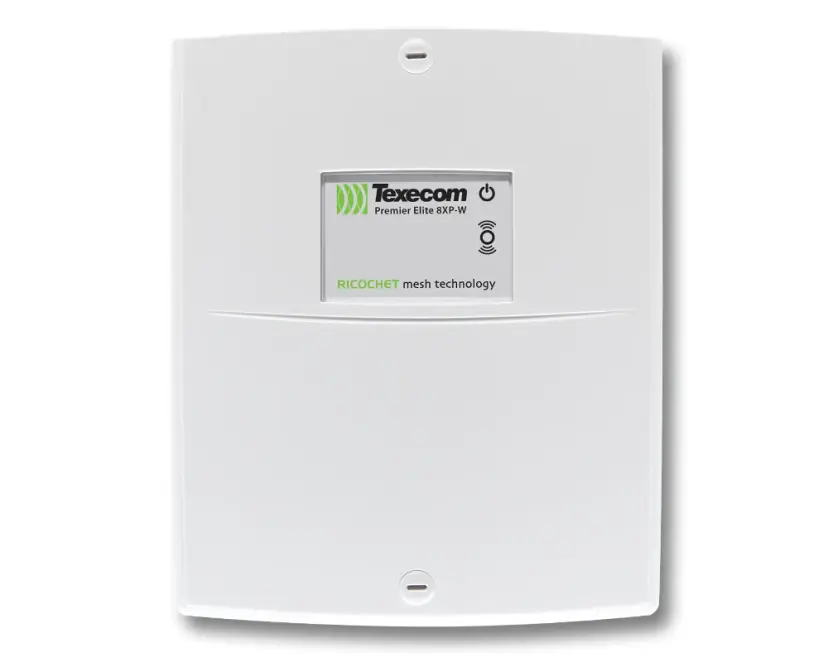
Texecom Ricochet Wireless Alarm Systems: Flexible Security Technology for Modern Homes and Commercial Properties
Choosing an intruder alarm is an important part of protecting a property, particularly when homeowners and businesses want reliable security without significant disruption during installation. Advances in wireless technology have transformed the way modern alarm systems are designed, allowing security detectors to communicate across buildings without requiring dedicated cables between every component. This has created new opportunities for protecting existing homes, renovated premises and commercial properties where traditional wired installations may be difficult or expensive. However, wireless security equipment varies considerably in its capabilities, making communication reliability and installation quality important considerations.
For property owners researching Texecom Ricochet Wireless Alarm Systems, the principal attraction is the combination of professional intruder alarm functionality with an adaptable wireless communication system. Ricochet technology uses a mesh network in which compatible wireless devices can receive and repeat signals from other devices. This differs from conventional wireless arrangements that rely entirely on a direct connection between each sensor and the central receiver. By allowing messages to travel through alternative routes, the technology is designed to provide more flexible communication throughout a building, particularly where internal walls and structural obstacles affect signal strength.
Texecom is a British security equipment manufacturer known for its range of intruder alarm control panels, detection devices and associated security technology. Its Premier Elite platform is used in residential and commercial installations and supports various configurations depending on the number of protected areas and the level of security required. Ricochet technology provides wireless detection capabilities within compatible systems, allowing installers to create arrangements that combine dependable communication with relatively discreet equipment. The emphasis is on providing an integrated professional security solution rather than simply connecting a collection of standalone smart home devices.
An important characteristic of Ricochet is its ability to establish multiple communication pathways between compatible devices. In a conventional point-to-point system, a sensor positioned far from the receiver may encounter problems if thick masonry, metal structures or other obstacles weaken the signal. Within a mesh network, compatible devices can relay messages, potentially allowing a detector to communicate through another device when a direct pathway is less suitable. Texecom describes this process as self-healing because the network can adapt its communication routing when conditions change. This flexibility is particularly relevant in buildings with complex layouts or extensive internal divisions.
Texecom
For homeowners living in older properties, the reduced need for cabling can be particularly appealing. Traditional alarm installations may require cables to pass through floors, ceilings or decorative walls, sometimes creating additional work to restore interior finishes. A wireless installation can reduce these requirements considerably, although the central control equipment and some accessories may still need electrical connections. This makes wireless systems attractive for period homes, properties with completed renovations and buildings where maintaining the appearance of interior spaces is important.
The ability to add or reposition compatible devices can also support future changes to a property. A homeowner might build an extension, convert a garage or create a garden office that requires additional security coverage. Rather than replacing the existing alarm completely, a suitable Ricochet installation may accommodate additional detectors where the control panel, communication coverage and supported device capacity allow. This provides useful flexibility, although compatibility and expansion limits should always be confirmed before purchasing additional equipment.
Modern intruder alarms are generally designed around several types of detection rather than relying on a single sensor technology. Motion detectors, magnetic contacts and impact sensors can perform different roles within the same installation, allowing security protection to reflect the layout and vulnerabilities of a property. For example, entrance doors may benefit from opening detection, while hallways and internal circulation spaces can be protected using appropriately positioned motion detectors. The objective is to identify unauthorised activity reliably while reducing unnecessary activations caused by ordinary household movement or environmental conditions.
Within Texecom Ricochet Wireless Alarm Systems, compatible wireless motion detectors can provide protection for selected internal spaces. Passive infrared detectors identify changes in infrared radiation within their detection area, allowing movement to be recognised when the relevant alarm zone is active. Correct positioning is important because the surrounding environment influences performance. Furniture, unusual room layouts and heat sources may affect detection patterns, making careful selection and installation essential.
Some properties may benefit from more specialised detection arrangements. Commercial buildings, garages and areas with challenging environmental conditions can require different equipment from ordinary domestic living rooms. Texecom offers a range of detection technologies within its wider security portfolio, although individual product compatibility depends on the selected control panel and wireless infrastructure. An experienced installer can assess whether a particular location requires standard passive infrared detection, a compatible dual-technology device or another suitable solution.
Door and window protection is another important aspect of a comprehensive alarm installation. Wireless magnetic contacts can monitor selected openings and report changes in their status to the control panel. These devices are commonly installed on external doors, patio entrances and accessible windows. Their purpose is to provide detection at vulnerable entry points rather than waiting until movement occurs deeper inside the building. Combining perimeter protection with suitable internal detectors creates a layered arrangement that can be adapted to different household routines.
The design of an alarm system should also take account of how the property is occupied. A family home may require different security settings during the day, overnight and when everyone leaves. Depending on the configuration, compatible Premier Elite systems can support different setting arrangements that allow selected areas to remain protected while occupants use other parts of the building. This flexibility can be useful in larger homes where protecting all areas simultaneously would be inconvenient during normal daily activity.
Ease of operation contributes significantly to the effectiveness of any security system. An alarm that is difficult to set or unset may be used inconsistently, reducing the protection it provides. Texecom Premier Elite installations can support compatible keypads and user controls, allowing occupants to operate the alarm according to the chosen configuration. Certain systems also support proximity devices and other convenient access methods. The appropriate arrangement depends on the property and the needs of its occupants, particularly where several household members require independent access.
For people considering Texecom Ricochet Wireless Alarm Systems, remote control is another feature worth examining. Compatible Premier Elite installations can be connected to supported Texecom digital services through appropriate communication equipment. For example, Texecom's SmartCom communicator provides network connectivity for compatible Premier Elite systems, supporting features associated with the Texecom Connect platform. However, smartphone functionality is separate from the Ricochet wireless mesh itself, and consumers should confirm which communication hardware and services are included in the proposed installation.
Texecom+1
Connected functionality can provide useful reassurance when homeowners are away from their properties. Depending on the system configuration, a mobile application may allow authorised users to check alarm status, receive selected notifications or manage certain security functions remotely. These capabilities can be useful for households with irregular schedules or owners of properties that are not occupied continuously. Nevertheless, remote access depends on suitable communication services, and the system's behaviour during broadband outages or other connectivity interruptions should be understood.
A professionally monitored alarm offers a different level of service from a system that simply sends notifications to its owner. With an appropriate monitoring arrangement, selected alarm signals can be transmitted to an Alarm Receiving Centre, where operators follow established procedures. These may include contacting designated keyholders or initiating other agreed responses. Such arrangements are commonly considered by businesses and owners of higher-risk properties, although they generally involve ongoing charges and specific installation requirements.
Property owners should establish whether professional monitoring is necessary before selecting equipment. Some homeowners may be satisfied with a locally audible alarm and smartphone notifications, while others require a system that can communicate with an external monitoring provider. Insurance conditions can also influence the decision. Certain policies may specify particular alarm grades, maintenance arrangements or monitoring capabilities, making it important to check these requirements before installation.
One advantage of a professional security platform is the opportunity to design the entire system around an assessed level of risk. A small residential property may require a relatively straightforward arrangement, while commercial premises containing expensive equipment or stock could need additional protection. Alarm grading and the applicable security standards help distinguish different levels of equipment and installation requirements. An appropriately qualified installer can determine which combination of control panel, detectors and communication devices is suitable for the building.
The reliability of wireless communication deserves particular attention during installation. Although Ricochet's mesh architecture offers alternative signal pathways, a successful installation still depends on careful positioning and testing. Thick walls, reinforced construction, metal fixtures and long distances can influence radio performance. The presence of mesh technology does not eliminate these considerations, but it provides additional opportunities to establish reliable communication through compatible devices.
Texecom provides diagnostic facilities to support commissioning and maintenance of its Ricochet systems. These include tools for checking signal conditions, communication routing and the availability of alternative pathways. The manufacturer also provides Ricochet Monitor software for more detailed assessment. These facilities allow installers to evaluate the wireless arrangement rather than relying only on whether a detector appears to function during an initial test.
Texecom
An interesting aspect of wireless mesh networking is that the number and positioning of compatible devices can influence the available communication routes. In some circumstances, introducing another appropriately located device may improve network resilience by providing an additional route for existing detectors. However, this does not mean that installing more devices indiscriminately will always improve performance. The overall layout, building construction and compatibility of the equipment remain important, making professional design and commissioning valuable.
Battery maintenance is another practical consideration for wireless security installations. Most wireless detectors rely on internal batteries, removing the need for separate power cabling to each device. This simplifies installation but introduces a maintenance requirement that does not apply in the same way to conventional wired detectors. Battery life varies according to the particular product, environmental conditions and operating patterns. Property owners should follow manufacturer recommendations and respond promptly to low-battery warnings.
Backup power arrangements should also be considered. Although wireless detectors have their own batteries, the alarm control panel and associated communication equipment may require backup power to continue operating during mains electricity failures. The availability of remote notifications may also depend on broadband equipment, cellular connections or other infrastructure. A complete installation assessment should therefore consider the behaviour of the entire system during interruptions rather than focusing solely on the wireless detectors.
False alarm prevention is an important part of professional security system design. Unwanted activations can result from unsuitable detector placement, incorrect settings, environmental disturbances or equipment faults. In domestic properties, pets may also influence motion detection arrangements. Some compatible detectors are designed to reduce certain animal-related activations, but their effectiveness depends on the installation environment and the animals present. Selecting suitable equipment and configuring it correctly is more reliable than attempting to compensate for poor positioning after installation.
For businesses considering Texecom Ricochet Wireless Alarm Systems, the ability to combine different detection methods can help address the requirements of varied commercial spaces. An office may need protection for entrances and internal corridors, while a warehouse could require monitoring of loading doors, storage areas and other vulnerable locations. Workshops and retail premises may have additional considerations relating to equipment, stock and periods of occupation. The flexibility of a professional alarm platform allows the installation to be designed around these requirements rather than using an identical arrangement for every building.
Security equipment should also complement the physical protection already present. Suitable locks, secure doors, protected windows and appropriate external lighting can help reduce opportunities for unauthorised access. A burglar alarm provides detection and notification, but it cannot physically prevent entry. Combining electronic security with appropriate physical measures provides a more comprehensive approach to protecting property and its contents.
Maintenance contributes to long-term reliability regardless of the technology used. A wireless alarm should be checked periodically to confirm that detectors communicate correctly, batteries remain serviceable and warning devices function as intended. Changes to furniture arrangements, internal partitions or building extensions may also affect the suitability of the original installation. Professional servicing can identify issues that are not immediately apparent during normal everyday operation.
Another consideration is the continued compatibility of equipment as technology develops. Security manufacturers may introduce updated control panels, communication modules and detection devices, while older products may eventually be discontinued. Consumers should consider whether an installer can provide ongoing support, compatible replacement parts and appropriate system upgrades. The age and firmware of an existing Premier Elite installation may influence which modern accessories or digital services can be added.
The initial cost of Texecom Ricochet Wireless Alarm Systems depends on the selected control panel, number of detectors, communication equipment and installation requirements. A relatively straightforward domestic system may require only a modest collection of compatible sensors, while larger properties can involve more comprehensive protection. Additional services such as professional monitoring may introduce recurring charges. Comparing quotations should therefore involve examining the complete proposed specification rather than looking exclusively at the total price.
Consumers may also wish to establish whether the quotation includes commissioning, user instruction, relevant documentation and initial maintenance arrangements. A professionally installed system should be handed over in a condition that allows occupants to understand its basic operation and recognise important warnings. Clear information about how to respond to faults, replace user credentials or request support can improve confidence in the equipment over time.
The benefits of wireless technology are especially relevant to completed properties where avoiding unnecessary construction work is desirable. By reducing the requirement for detector cabling, Ricochet installations can help preserve interior finishes while providing flexible sensor positioning. The mesh communication architecture adds another practical dimension by allowing compatible devices to support alternative signalling routes. Nevertheless, these advantages depend on correct design and installation rather than the technology name alone.
Choosing a suitable alarm also involves understanding the difference between essential security capabilities and optional convenience features. Smartphone control, connected accessories and automated functions can improve everyday usability, but dependable detection remains the fundamental purpose of the system. Reliable communication, appropriate coverage, effective warning arrangements and ongoing maintenance should therefore receive priority during the purchasing process.
For homeowners and commercial property owners considering Texecom Ricochet Wireless Alarm Systems, the strongest approach is to begin with a property-specific security assessment and then select compatible equipment that meets those requirements. Ricochet's mesh networking technology offers useful installation flexibility and communication resilience, particularly where conventional point-to-point wireless arrangements may encounter difficulties. Combined with an appropriately configured Premier Elite system, suitable detection devices and professional maintenance, it can provide a dependable foundation for protecting residential and commercial premises. Understanding the system's capabilities, limitations and ongoing responsibilities helps ensure that the installation delivers practical security value rather than simply an extensive collection of technical features.